South Korea Faces Dilemma Over U.S. Demands to Deploy Naval Task Force to Hormuz
briefed
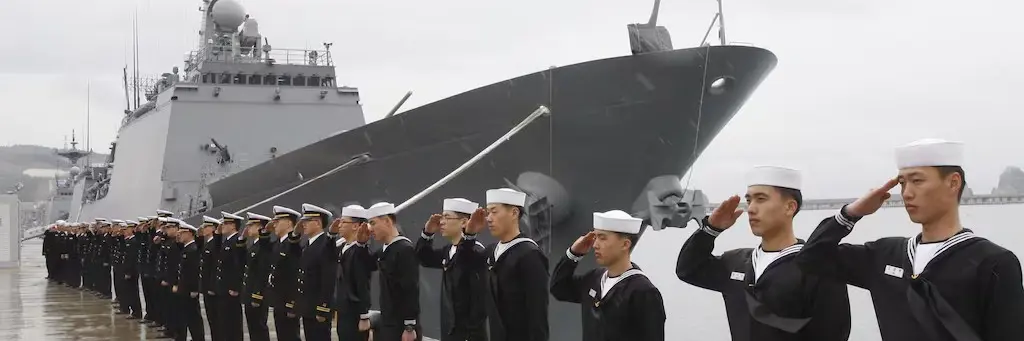
South Korea is facing a severe strategic and political dilemma following renewed pressure from Washington to contribute naval assets to U.S.-led maritime security operations in the Strait of Hormuz. As Middle East hostilities disrupt vital international shipping lanes and energy routes, the Trump administration has urged key allies - including South Korea - to deploy maritime task forces, non-combat logistics support vessels, or P-8A maritime patrol aircraft to safeguard freedom of navigation.In response to rising domestic anxiety, President Lee Jae-myung explicitly ruled out dispatching combat troops that could draw South Korea into a broader regional conflict, emphasizing during a press conference that Seoul will not engage in or intervene in war. However, the Lee administration continues to examine non-combat options, such as expanding the operational scope of the Navy's anti-piracy Cheonghae Unit - currently deployed in the Gulf of Aden - or supplying non-combat logistics support vessels to assist commercial shipping.The decision has sparked intense domestic backlash, with public opinion polls indicating over 55% opposition to military involvement in the Middle East, alongside warnings from Iranian officials that participating in U.S.-led operations could compromise South Korea's economic assets and regional standing. Defense analysts further highlight a critical deterrence trade-off: committing advanced naval assets and maritime patrol capabilities overseas risks overextending South Korea’s defense posture at a time when military readiness remains essential against escalating threats on the Korean Peninsula.