Trump’s Sudden Yemen U-Turn
briefed
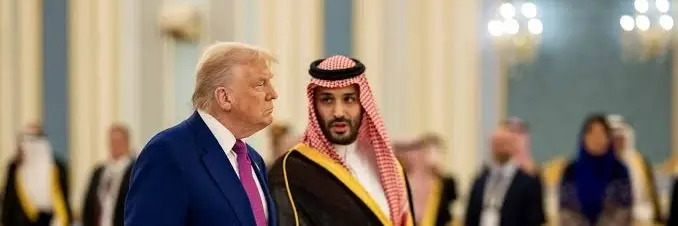
U.S. President Donald Trump abruptly called off planned military airstrikes against Houthi forces in Yemen at the last minute on September 20, 2026, despite warplanes already being loaded with munitions and target lists finalized by Pentagon commanders. The potential U.S. intervention came after weeks of pressure from Saudi Crown Prince Mohammed bin Salman, who requested direct American military assistance as Iran-backed Houthi rebels intensified missile attacks on Riyadh and captured strategic areas near the Bab al-Mandab Strait along Yemen's Red Sea coast. Although Trump had initially told advisers he opposed joining the Saudi military campaign, a personal phone conversation with the Crown Prince on September 18 prompted him to briefly order Pentagon preparations before reversing course again by Sunday.The primary reason behind Trump's hesitation and ultimate U-turn stems from a combination of geopolitical risk and military skepticism. Trump's inner circle and senior defense officials expressed deep concern over opening a new military front in Yemen while American forces were already stretched by broader regional tensions with Iran. Furthermore, U.S. officials pointed out that the Houthis had adhered to an informal agreement with Washington not to attack American naval and commercial vessels following a 2025 bombing campaign and ceasefire. Resuming U.S. airstrikes would likely break that fragile understanding, exposing American ships to direct retaliation and escalating energy transit disruptions in the Red Sea.Additionally, military commanders and diplomats questioned the strategic efficacy of limited airstrikes. Previous operations demonstrated that bombing campaigns were exceptionally costly - burning through roughly $1 billion in munitions during a 50-day campaign in 2025 - without permanently degrading Houthi capabilities, as the group subsequently rebuilt its arsenal and integrated advanced missile technologies. With no guarantee that air support would force the Houthis to negotiate or that Saudi-backed Yemeni ground forces could capitalize on the strikes, Trump ultimately opted to maintain the existing policy of supplying Riyadh with intelligence and defense support rather than engaging directly.