Cabinet Resignation and Coalition Strain Threaten PM Anwar Ibrahim’s Unity Government
briefed
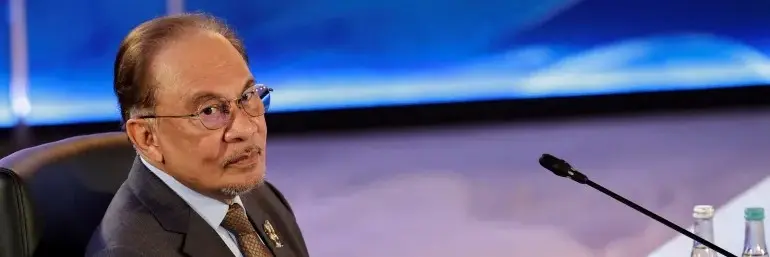
On September 18, 2026, Malaysia’s Federal Territories Pardons Board, chaired by King Sultan Ibrahim Iskandar, granted former Prime Minister Najib Razak a conditional royal pardon. The order allows Najib to serve the remainder of his sentence under house arrest until August 23, 2028, provided he pays a reduced fine of RM50 million ($12 million). Najib was previously serving a prison sentence following his conviction for abuse of power, criminal breach of trust, and money laundering tied to the multi-billion dollar 1Malaysia Development Berhad (1MDB) corruption scandal.The decision triggered immediate political volatility within Prime Minister Anwar Ibrahim’s multi-party unity coalition. On September 19, Democratic Action Party (DAP) Secretary-General and Transport Minister Anthony Loke offered to resign from his cabinet position. The DAP, the largest parliamentary faction in Anwar’s ruling Pakatan Harapan (PH) alliance, voiced deep concerns that permitting home detention for a prominent corruption convict undermines the administration’s core anti-graft platform and rule-of-law commitments.Prime Minister Anwar defended the constitutionality of the King’s prerogative powers while emphasizing that anti-corruption enforcement across the country remains intact. However, political analysts note that Najib’s party, the United Malays National Organisation (UMNO), feels emboldened by the clemency ruling. The growing ideological and policy divide between PH and UMNO increases internal coalition friction, raising the prospect of snap general elections if political consensus breaks down further.