ECB and EU Central Banks Propose Scrapping Fixed Bank Deposit Requirements for Stablecoins Under MiCA
briefed
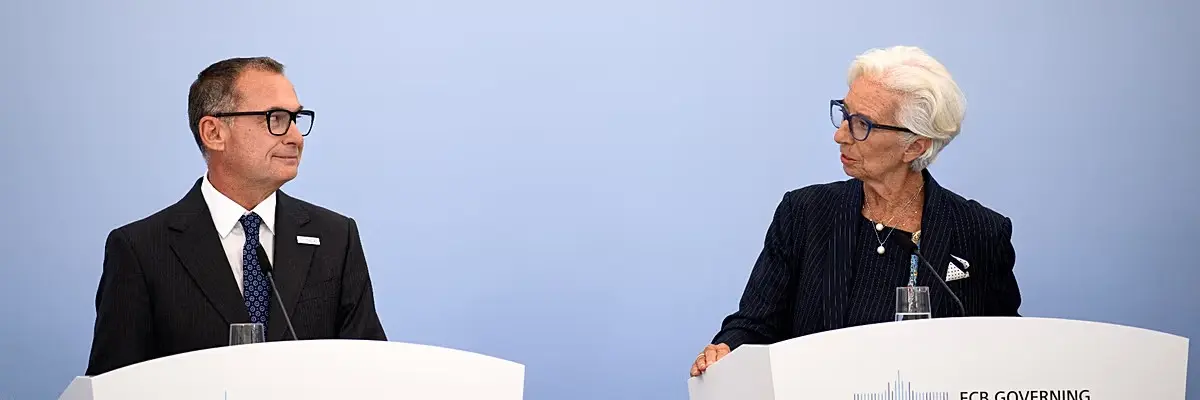
In a major joint regulatory response published on September 22, 2026, the European System of Central Banks (ESCB) - comprising the European Central Bank (ECB) and the 27 national central banks of the EU - officially recommended eliminating mandatory bank deposit requirements for stablecoin reserves under the Markets in Crypto-Assets (MiCA) regulation. Under current MiCA provisions (Articles 36 and 54), stablecoin issuers are legally required to hold at least 30% of their reserve assets as cash deposits in commercial banks, a threshold that escalates to 60% for "significant" stablecoins. The central banks argued that these fixed quotas create a direct, dangerous link between crypto volatility and traditional banking liquidity.The ESCB warned that forcing issuers to hold large cash deposits in commercial banks exposes lenders to severe liquidity risks. If a stablecoin faces market panic or a rapid run, the sudden, mass withdrawal of issuer deposits could destabilize commercial banks and disrupt their ability to supply credit to the broader economy. To solve this, the central banks proposed replacing the 30%–60% deposit floors with flexible, liquidity-based maturity standards. Under the proposed model, reserve assets would instead be governed by minimum liquidity buckets - requiring specified percentages to be held in highly liquid assets maturing within one to five working days, such as short-term sovereign bonds and overnight reverse repurchase agreements (repos).Shift away from rigid deposit quotas toward high-quality liquid assets (HQLA) marks a critical structural evolution in global digital asset regulation. By uncoupling commercial bank balance sheets from massive, volatile crypto reserve flows, European regulators reduce contagion risk between decentralized/digital markets and traditional lenders. This policy pivot is expected to serve as a benchmark for international standard-setters (such as the FSB and BIS) and may encourage stablecoin issuers (like Circle's EURC and USDC) to significantly increase their holdings of short-term government debt instruments, driving sustained institutional demand for sovereign Treasury bills across major global markets.